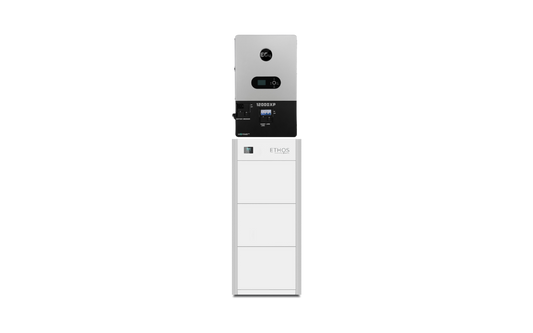
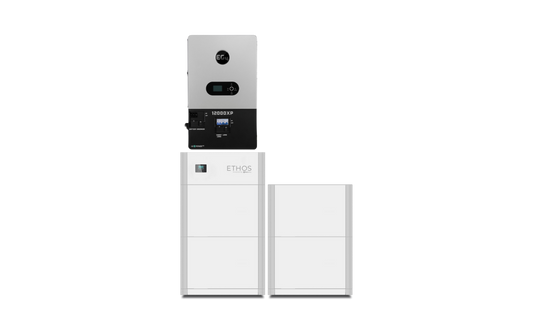
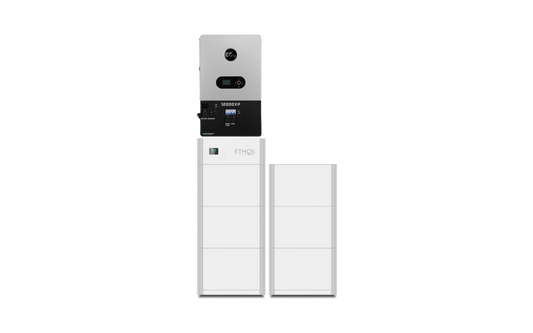
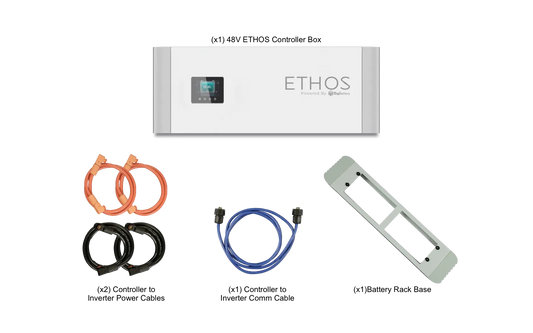
Collection: Off-Grid Solar Kits

Compare off-grid solar kits for cabins, RVs, and homes—from panel-and-controller starter kits to battery-and-inverter packages. Check each listing for included components, system voltage, and output. Need help sizing your setup?

Start with the Power Planner

49 products

Compare current off-grid solar kits

Torven Power off-grid buying path

Compare off-grid solar kits by what is actually included

An off-grid solar kit can be a panel-and-controller starter package, a solar kit with a battery and inverter, or a larger battery-and-inverter system bundle. The word “kit” does not prove that every system component is included. Use the exact listing and current manuals to compare the package, electrical limits and intended application before ordering.

Panel and charging starter kits

Use this path when the listing centers on panels, a charge controller, wiring or mounting parts and you already have—or will separately select—the battery and inverter. Confirm array wattage, controller input limits, battery voltage and every required balance-of-system part.

Kits listed with battery and inverter

Compare the documented solar array, battery energy, inverter continuous and surge output, system voltage, AC output and included hardware. A shared connector style or nominal voltage is not enough to prove full-system compatibility.

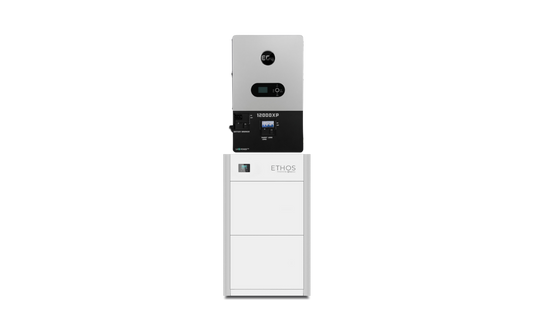
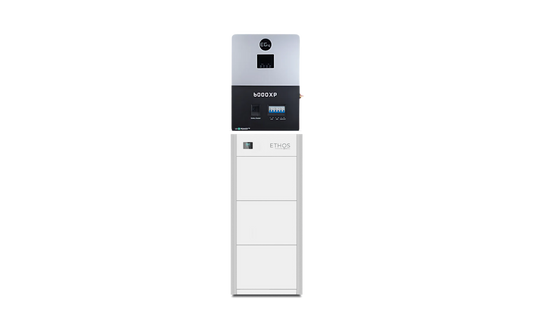
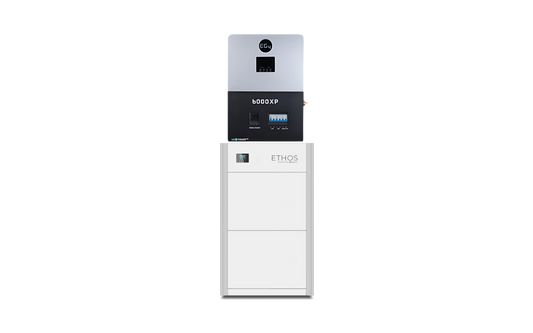
Battery and inverter system packages

Some off-grid packages focus on storage and AC power rather than solar panels. Do not count panels, racking, protection, disconnects, cables or installation materials as included unless the exact product listing says they are.

Start with the loads and runtime—not a kit name

  • Daily energy: total the watt-hours used by essential loads over a typical day.
  • Simultaneous power: identify which loads run together and the largest known startup surge.
  • Required runtime: decide how long the system must operate without useful solar input.
  • AC output: confirm 120V or 120/240V needs, frequency and any split-phase requirement.
  • Solar resource: account for location, season, shade, orientation and the available recharge window.
  • Installation: document mounting space, cable routes, environmental exposure and local requirements.

Use the Torven Power Planner for a preliminary load, battery, inverter and solar range. Treat the result as planning guidance—not an electrical design or a compatibility approval.

Read the 5kW vs. 8kW vs. 10kW off-grid solar kit guide to compare inverter output, battery energy, and solar-array rating.

Six checks that make two kits comparable

Six checks for comparing off-grid solar kits
Check What it answers Verify on the exact listing or manual
Package contents What you are actually buying Panels, batteries, inverter, charge controller, racking, cables, protection, disconnects and monitoring—each confirmed separately
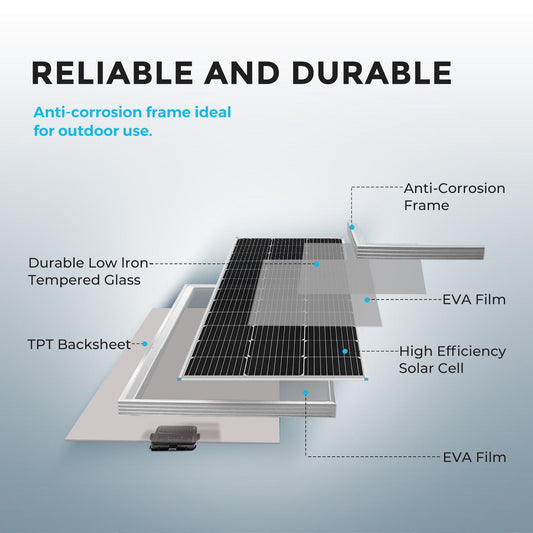
Solar array How much panel capacity is included or supported Panel count and wattage, Voc, Vmp, Isc, Imp, temperature coefficient and series/parallel layout
Solar input Whether the array fits the controller or inverter input Maximum input voltage, current and power plus the MPPT operating window and allowed string design
Battery How much stored energy and current capability the system has Nameplate energy, allowed usable range, charge/discharge current, temperature limits, expansion rules and communication requirements
Inverter Which loads can run and start Continuous output, surge behavior, battery voltage, AC voltage/frequency, split-phase support and supported battery communication
Application and installation Whether the equipment fits the site and use case Indoor/outdoor rating, dimensions, weight, clearances, mounting, conductor/protection requirements, permits, inspection and utility or AHJ rules